
Does Diet Affect Headache and Migraine?
Not everyone with headache disorders or migraine disease is affected by food triggers. However, certain foods may contribute to attacks in some individuals. Because patients often ask about diet, the information below is provided as a possible consideration.
A 2023 systematic review of seven nonrandomized studies found that the connection between tyramine-containing foods and migraine remains unclear. While some people reported headaches after eating these foods, the evidence is not definitive.
In addition, current research is beginning to focus on the potential benefits of an Anti-Inflammatory Diet for people living with headache or migraine.
What is Tyramine?
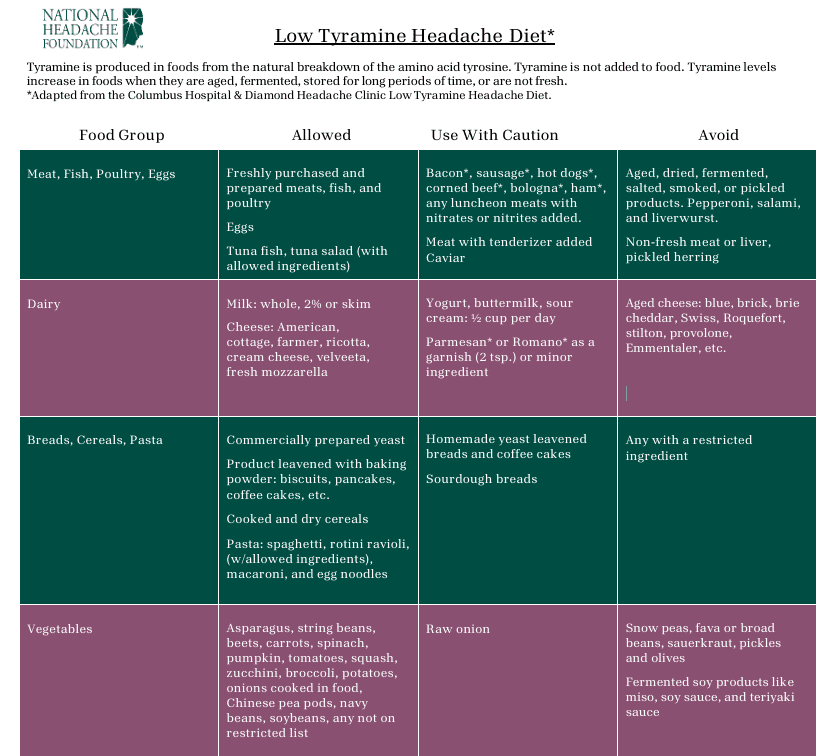
Tyramine is produced in foods from the natural breakdown of the amino acid tyrosine. Tyramine is not added to food. Tyramine levels increase in foods when they are aged, fermented, stored for long periods of time, or are not fresh.

Low Tyramine Headache Diet*
The following list highlights foods that may be included, limited, or avoided as part of a low-tyramine diet.
*Adapted from the Columbus Hospital & Diamond Headache Clinic Low Tyramine Headache Diet.
Foods by Category
Allowed
Freshly purchased and prepared meats, fish, and poultry Eggs Tuna fish, tuna salad (with allowed ingredients)
Use With Caution
Bacon*, sausage*, hot dogs*, corned beef*, bologna*, ham*, any luncheon meats with nitrates or nitrites added. Meat with tenderizer added Caviar
Avoid
Aged, dried, fermented, salted, smoked, or pickled products. Pepperoni, salami, and liverwurst. Non-fresh meat or liver, pickled herring
Allowed
Milk: whole, 2% or skim Cheese: American, cottage, farmer, ricotta, cream cheese, velveeta, fresh mozzarella
Use With Caution
Yogurt, buttermilk, sour cream: ½ cup per day Parmesan* or Romano* as a garnish (2 tsp.) or minor ingredient
Avoid
Aged cheese: blue, brick, brie cheddar, Swiss, Roquefort, stilton, provolone, Emmentaler, etc.
Allowed
Commercially prepared yeast Product leavened with baking powder: biscuits, pancakes, coffee cakes, etc. Cooked and dry cereals Pasta: spaghetti, rotini ravioli, (w/allowed ingredients), macaroni, and egg noodles
Use With Caution
Homemade yeast leavened breads and coffee cakes Sourdough breads
Avoid
Any with a restricted ingredient
Allowed
Asparagus, string beans, beets, carrots, spinach, pumpkin, tomatoes, squash, zucchini, broccoli, potatoes, onions cooked in food, Chinese pea pods, navy beans, soybeans, any not on restricted list
Use With Caution
Raw onion
Avoid
Snow peas, fava or broad beans, sauerkraut, pickles and olives Fermented soy products like miso, soy sauce, and teriyaki sauce
Allowed
Apple, applesauce, cherries, apricots, peaches, any not on restricted list
Use With Caution
Limit intake to ½ cup per day from each group: Citrus: orange, grapefruit, tangerine, pineapple, lemon and lime Avocados, banana, figs*, raisins*, dried fruit*, papaya, passion fruit, and red plums
Avoid
None
Allowed
None
Use With Caution
None
Avoid
All nuts: peanuts, peanut butter, pumpkin seeds, sesame seeds, walnuts, pecans
Allowed
Soups made from allowed ingredients, homemade broths
Use With Caution
Canned soups with autolyzed or hydrolyzed yeast*, meat extracts*, or monosodium glutamate*(MSG)
Avoid
None
Allowed
Decaffeinated coffee, fruit juices, club soda, caffeine-free carbonated beverages
Use With Caution
Limited caffeinated beverages to no more than 2 servings per day: Coffee and tea: 1 cup = 1 serving carbonated beverages and hot cocoa or chocolate milk: 12oz = 1 serving Limit alcoholic beverages to one serving: 4oz Riesling wine, 1.5oz vodka or scotch per day = 1 serving per day (May need to omit if on MAOI)
Avoid
Alcoholic beverages: Chianti, sherry, burgundy, vermouth, ale, beer, and non-alcoholic fermented beverages. All others not specified in caution column
Allowed
Any made with allowed foods and ingredients: sugar, jelly, jam, honey, hard candies, cakes, cookies
Use With Caution
Chocolate based products: ice cream (1 cup), pudding (1 cup), cookies (1 average size), cakes (3” cube), and chocolate candies (½oz). (All count as one serving of caffeinated beverage)
Avoid
Mincemeat pie
Allowed
Any not listed in the restricted section
Use With Caution
None
Avoid
MSG* (in large amounts), nitrates and nitrites (found mainly in processed meats), yeast, yeast extracts, brewer’s yeast, hydrolyzed or autolyzed yeast, meat extracts, meat tenderizers (papain, bromelain) seasoned salt (containing MSG), soy sauce, teriyaki sauce
Allowed
All cooking oils and fats White vinegar Commercial salad dressing with allowed ingredients All spices not listed in restricted ingredients
Use With Caution
Wine, apple, or other fermented vinegars*
Avoid
None
If Food Might Be a Trigger, What Can You Do?
Small changes in daily habits can help you better understand whether food is a trigger for your headache or migraine attacks.
- Keep a personal food log to track what you eat before a headache or migraine attack.
- Look for patterns that may help identify your own triggers.
- Try removing foods that consistently appear before your attacks and see if symptoms improve.
General Diet Guidelines
Everyday dietary habits and precautions that may help reduce the risk of headache or migraine attacks.
- Eat three meals each day with a snack at night or six small meals spread throughout the day
- Avoid eating high sugar foods on an empty stomach, when excessively hungry, or in place of a meal
- All food, especially high protein foods, should be prepared and eaten fresh. Be cautious of leftovers held for more than one or two days at refrigerator temperature. Freeze leftovers that you want to store for more than two or three days
- Cigarette and cigar smoke contain a multitude of chemicals that will trigger or aggravate your headache. If you smoke, make quitting a high priority
- The foods listed in the “CAUTION” column have smaller amounts of Tyramine or other vasoactive compounds. Foods with an * may contain small amounts of Tyramine. Other foods in the “USE WITH CAUTION” column do not contain Tyramine but are potential headache “triggers”. If you are taking an MAO inhibitor (Monoamine Oxidase Inhibitor) you should test the use of restricted foods in limited amounts.
- Each person may have different sensitivities to certain level of Tyramine or other vasoactive compounds in foods. If you are not on an MAO inhibitor, you should test the use of restricted foods in limited amounts.
Download the Low-Tyramine Diet Guide
This easy-to-use guide from the National Headache Foundation provides a detailed look at foods that may be included, limited, or avoided on a low-tyramine diet. It’s designed to help you make informed choices and track what works best for you.
Learn More
Anti-Inflammatory Diet
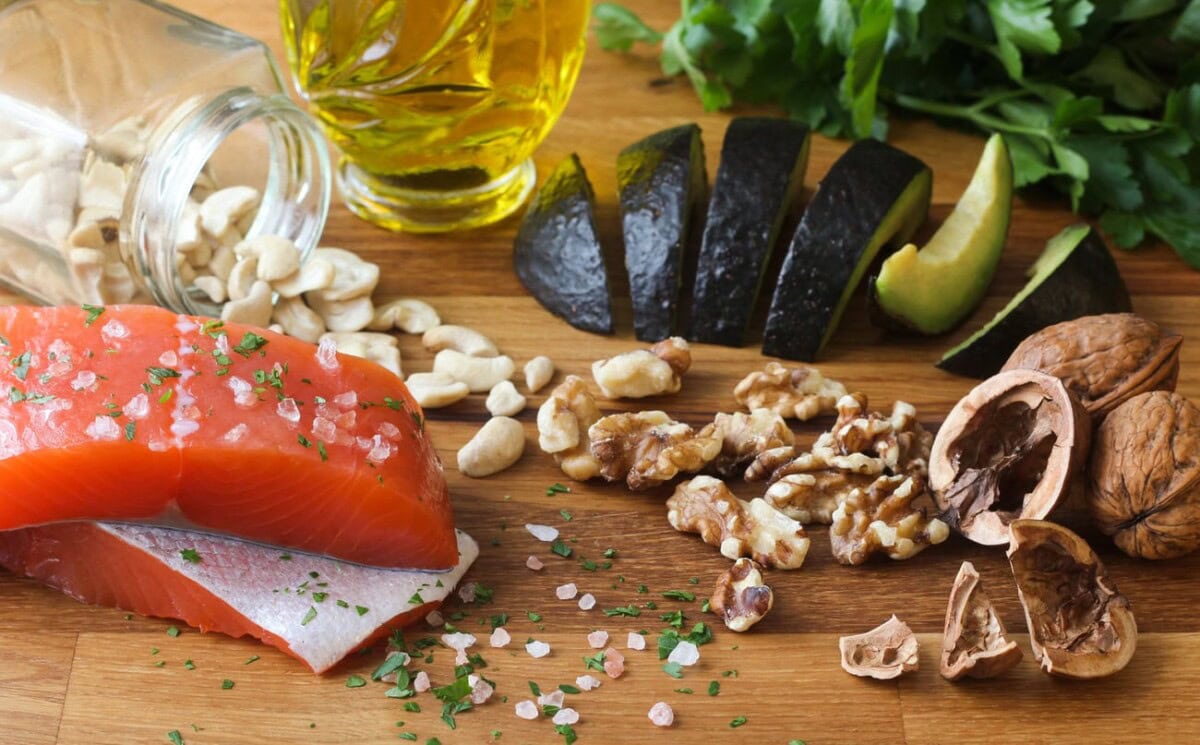
Current research is beginning to focus on the potential benefits of an Anti-Inflammatory Diet for people living with headache or migraine.
Learn More »
"*" indicates required fields